Congaree National Park Itinerary

After living in North Carolina for over a decade I finally made it to one of the least visited National Parks on the East Coast – Congaree National Park! After careful planning, I decided November would be the perfect time to visit. The weather was ideal for camping and there were minimal bugs. I’m detailing my perfect weekend Congaree National Park itinerary and tips for travel planning in this blog post!
In this article:
- Best things to do in Congaree National Park
- Congaree National Park itinerary – one day or one weekend
- Best time of year to visit Congaree National Park
Disclaimer: This article features some affiliate links. I only endorse things I’ve personally used or that come highly recommended by trusted peers. If you purchase anything I mention using my referral links from Amazon, REI or other retailers I may receive a small commission. However, there is never extra cost to you. You can read more here. Thank you for your support.
Congaree National Park Overview
✈️ How To Get There: From Charlotte NC (2 hrs) or Charleston SC (2 hrs)
🌿 Congaree Must-See: Boardwalk Trail, paddle Cedar Creek
🎟️ Best Excursions: Guided kayak tour
💵 Entrance Fee: Free to enter
🛌 Where To Stay: Cambria Hotel (pet-friendly) or downtown Columbia VRBO
TIP: I recommend booking your rental car with Discover Cars. They search across the major rental companies to find the best rate and let you cancel for free up to 48 hours before pickup, so you can grab a good rate now without stressing if your plans change.
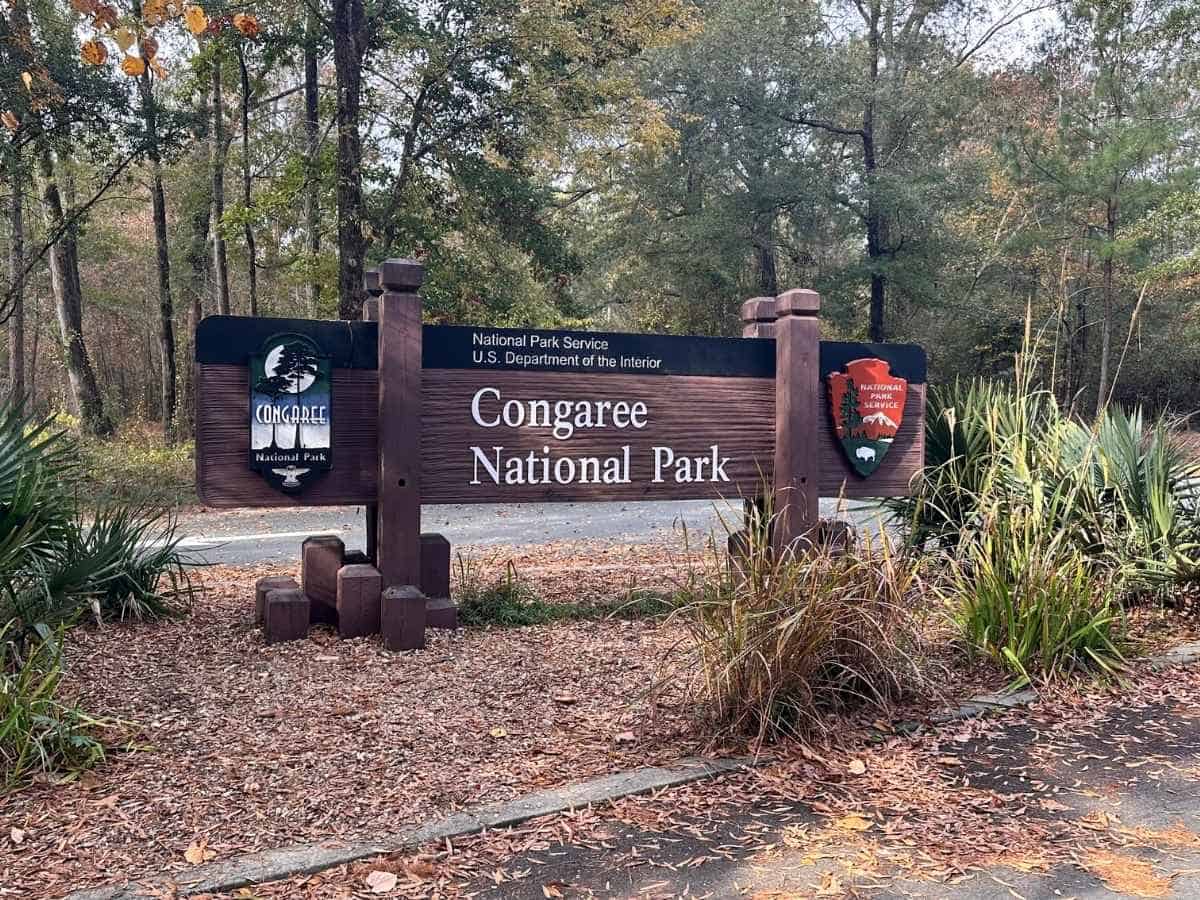
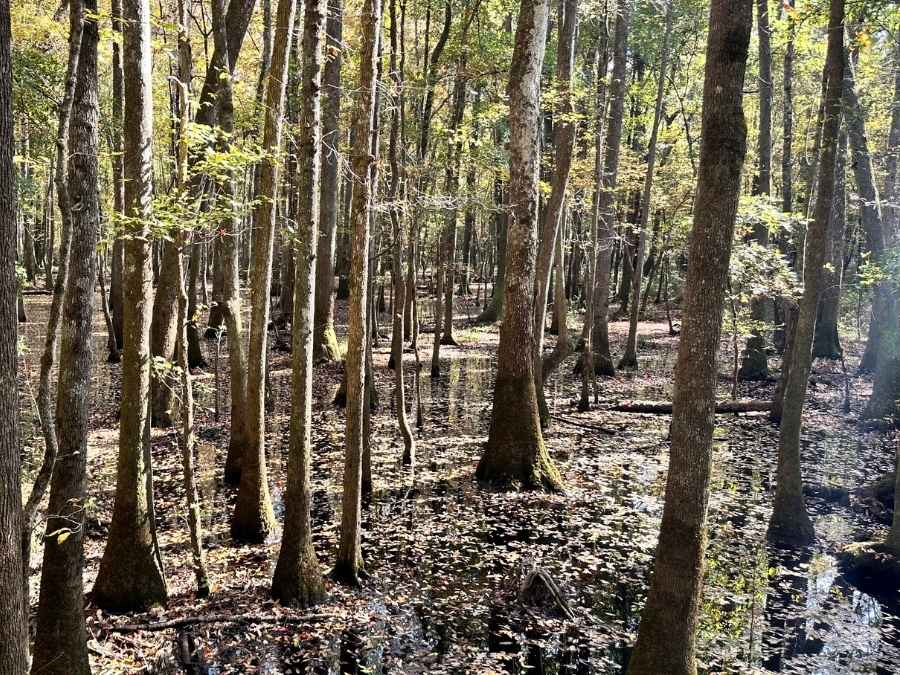
Congaree National Park is the largest old growth bottomland hardwood forest in the southeast. Bottomlands are floodplains for rivers, so seasonal flooding is common. It’s also what contributes to the rich ecosystem and biodiversity that makes Congaree such a neat place to visit.
🌊 Flooding in Congaree National Park
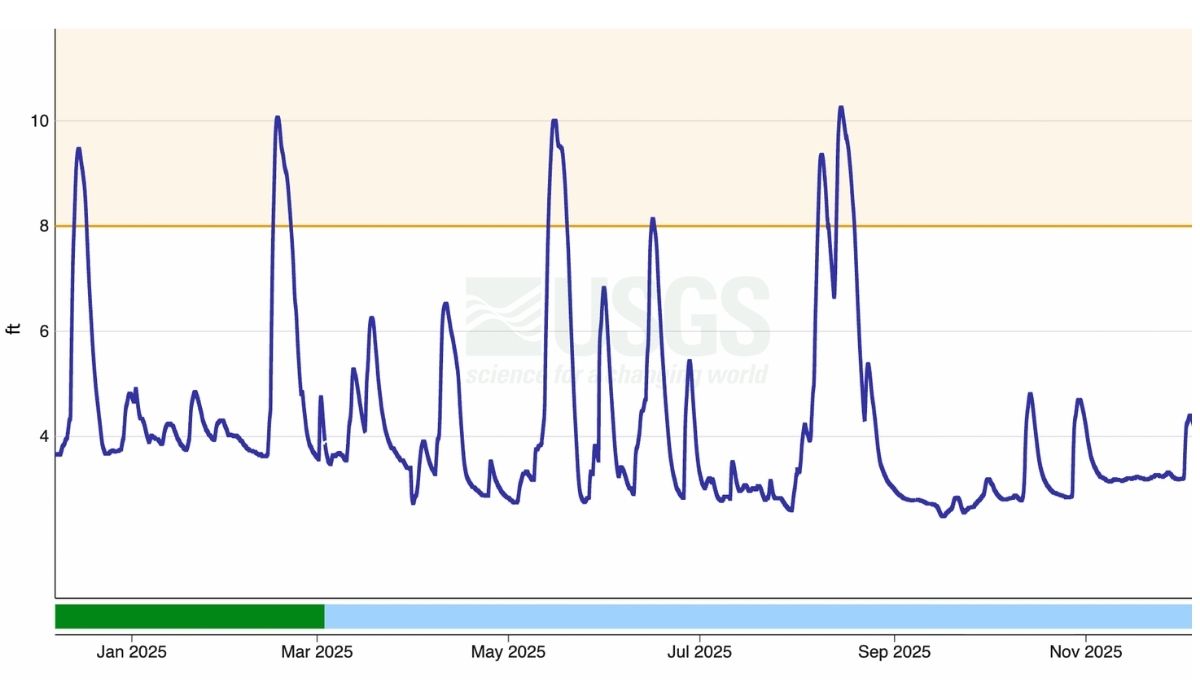
On average, Congaree floods 10 times per year. During these flood events, a majority of the trails in Congaree are inaccessible. Flooding is most common from late winter to early spring.
Best Things To Do In Congaree National Park
For a smaller National Park there’s quite a lot going on here! I camped here for a weekend, but you could easily see Congaree National Park in one day.
Boardwalk Trail
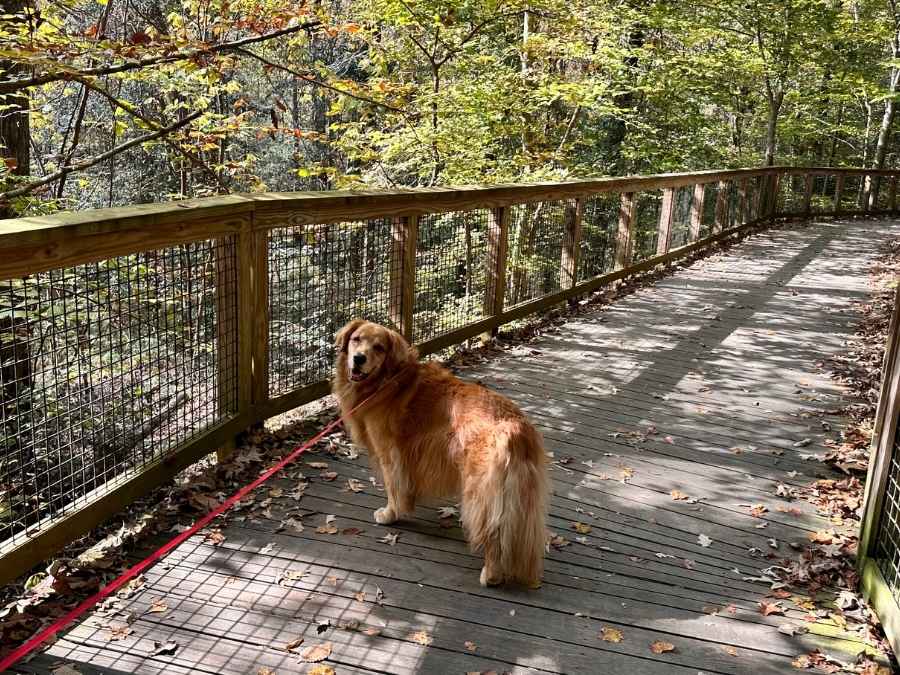
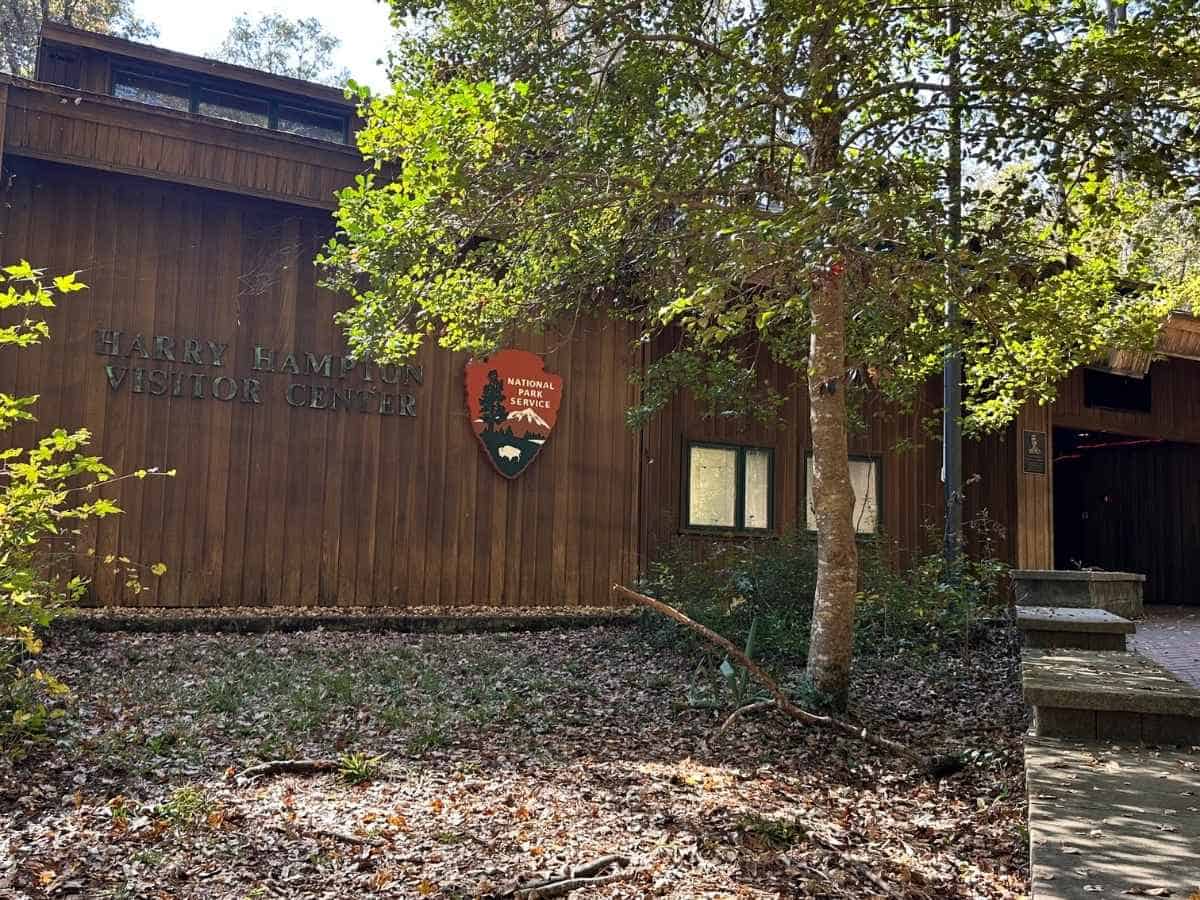
A visit to Congaree National Park must include Boardwalk Trail! This is an elevated wooden walkway through the hardwood forest. It’s a 2.3 mile loop that starts behind the visitors center.

You can shorten this hike by picking up Sims Trail halfway through the loop. Sims is also an easy, flat trail through the forest.
My favorite part of Boardwalk Trail was the overlook at Weston Lake. During my visit in November there were tons of fish jumping in the lake, and the overlook is a nice quiet place to take a break.
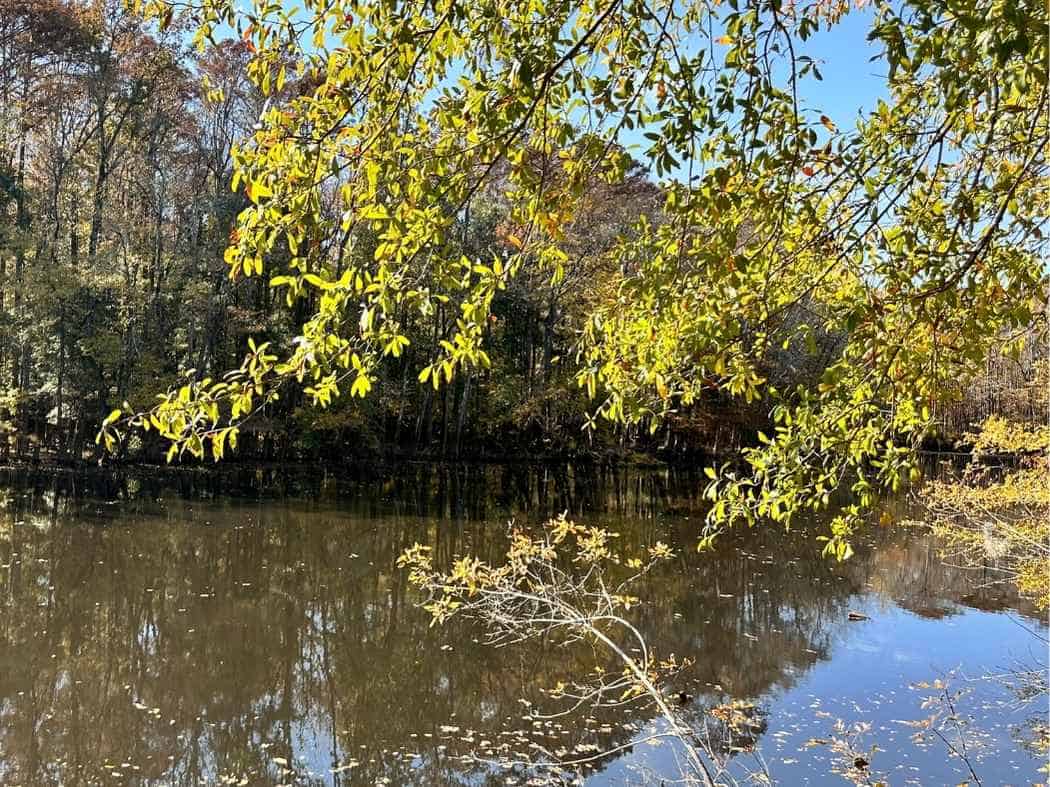
If you’d like to extend this trail you can pick up Weston Lake Loop from the overlook.
Even if the park is flooded, the Boardwalk is a great option because it’s elevated and usually above flood waters.
TIP: Pick up self-guided brochure as you pass the visitor center for natural and historical points of significance along Boardwalk Trail.

Paddle On Cedar Creek
Another one of the best things to do in Congaree National Park is to explore it from the water! There are several local companies that will rent canoes and kayaks for day use, or you can join a guided tour.
The creek is a slow moving creek, so paddling around is easy. However, depending on water levels it’s possible for fallen trees to block your path. You’ll either need to turn around or pull your boat over them.
Wildlife is very abundant along the river so you’ll likely spot turtles, otters, snakes and sometimes even an alligator.
There are two options for launching your boat at Congaree. South Cedar Creek canoe landing is on the east side of the park and heads upstream before returning with the water flow. You can paddle 4 miles to Wise Lake from South Cedar Creek boat launch.
Bannister Bridge boat launch is on the west side of the park, closer to Columbia. From there, you can paddle downstream to the boardwalk trail and back for a total of 5 miles. If you have a second vehicle, you could launch at Bannister Bridge and paddle downstream all the way to South Cedar Creek launch, which is just over 6 miles.
Unfortunately, the park does not offer kayak or canoe rentals, but there are several local companies nearby in Columbia that do.
I recommend renting a canoe or kayak from River Runners. They’ll help you load your kayak or canoe onto your roof and show you how to secure it. For a fee (~$200 but call ahead to inquire), they’ll also deliver it to Congaree National Park for you. Daily rentals are about $60 and include paddles and lifejackets.
TIP: I highly recommend bringing a dry bag with you for your electronics. I like this one with a clip so I can attach it to my boat… just incase I tip when trying to get in/out.
Synchronous Fireflies At Congaree
This activity takes a lot more advanced planning, but is one of the best things to do at Congaree National Park if you’re able to secure tickets through the Firefly lottery.
There are only 3 known species of fireflies in North America that glow synchronously. Congaree and Great Smoky Mountains National Park are both known for their synchronous fireflies.
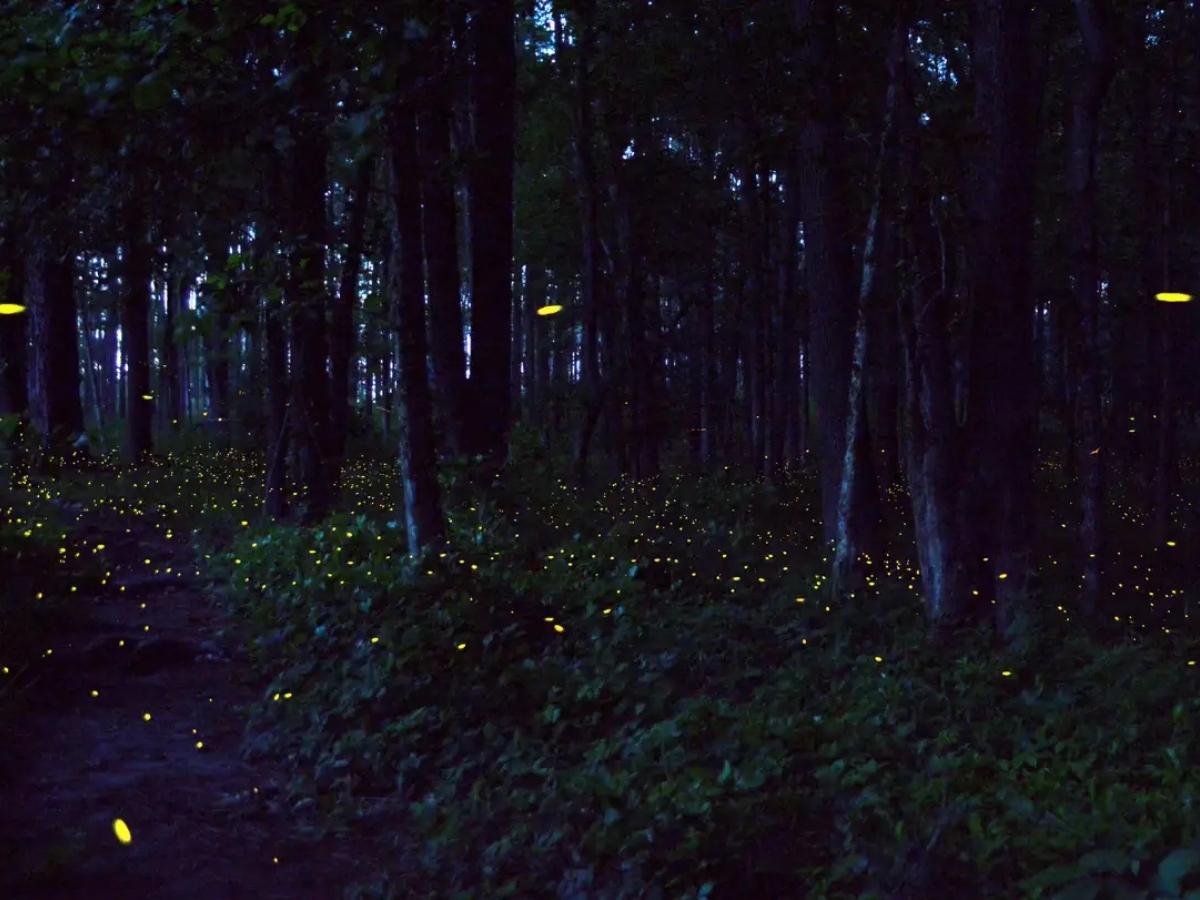
The exact dates vary each year and are tricky to predict precisely, but typically the best show happens in late May. Because viewing this unique natural phenomenon is popular, Congaree has implemented a lottery for tickets during this time.
In early April, the Congaree Firefly Lottery opens. It’s $1 to participate, and winners will be charged an additional $19 which covers the $20 parking fee during the event.
Each lottery ticket is good for one vehicle (with up to 8 people).
✨ Congaree Firefly Lottery
Lottery Opens: April 7-14, 2026
Winners Announced: April 17, 2026
Firefly Event Dates: May 13-20, 2026
2027 dates have not been announced yet and are expected by late-March
During the Synchronous Firefly event at Congaree National Park, regular guests are still permitted in the park during the day but must exit the park before 4:30 pm. Additionally, no camping reservations are available during these two weeks and no dogs (except service animals) are allowed.
While you are allowed to wear bug spray to the Synchronous Firefly event, you must apply it prior to arriving as it’s not permitted inside the park.

National Parks Water Bottle
A fun way to collect all 63 National Parks!
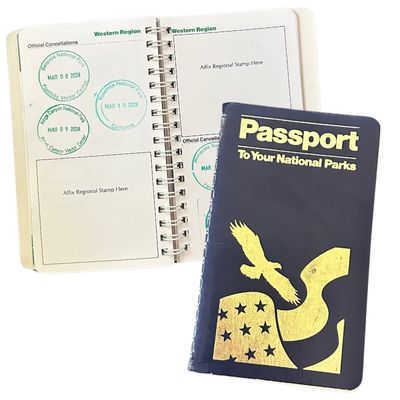
National Parks Passport
Keep track of the parks you’ve visited (with dates!)
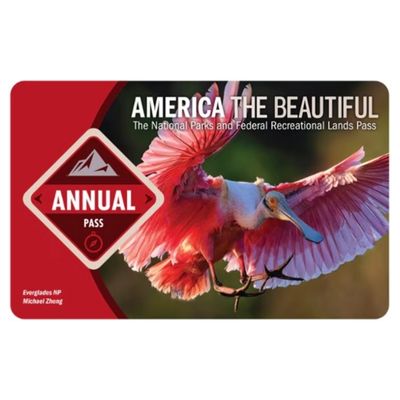
America The Beautiful Park Pass
Frequent visitors save money on entrance fees
Congaree National Park Trails
Most of the hikes in Congaree National Park start from Harry Hampton Visitor Center, or branch off of trails which start at the visitor center.
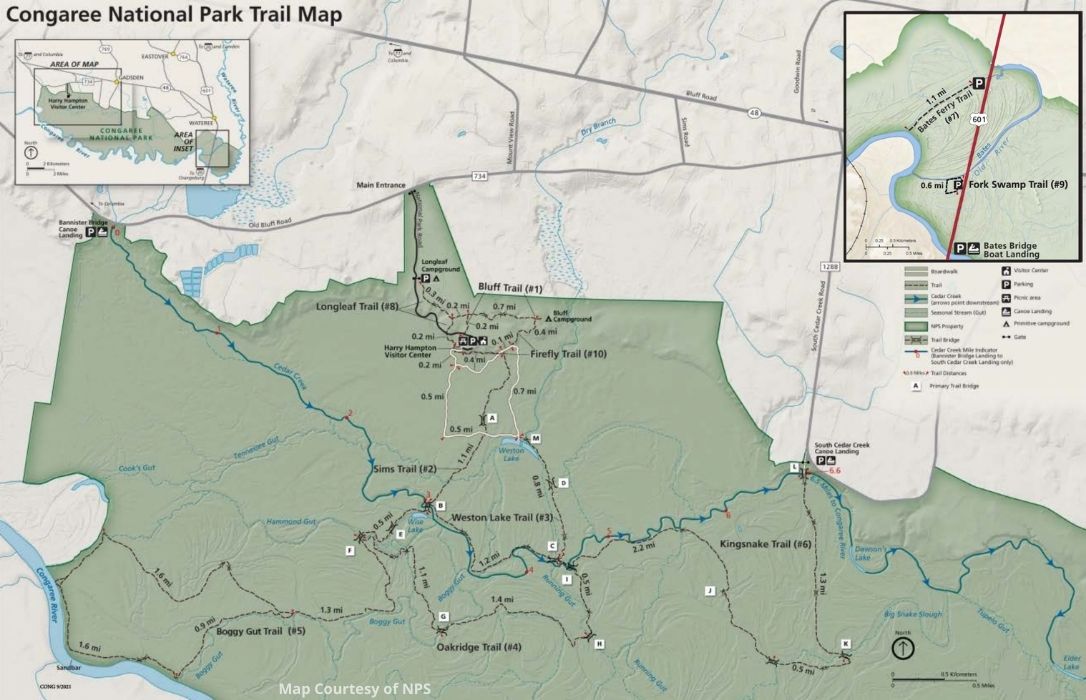
Easy Hikes In Congaree National Park
Boardwalk Trail – 2.4 miles, easy
This is the best hike in Congaree National Park and one you shouldn’t miss!
Bluff Trail – 2.1 miles, easy
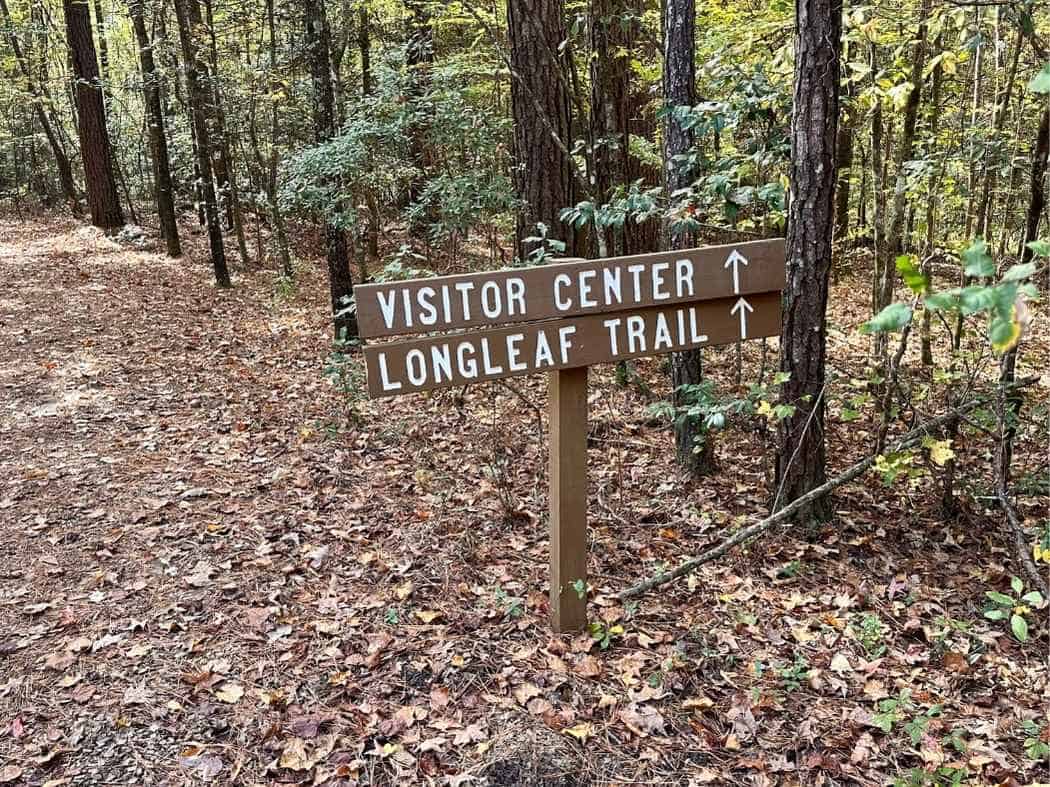
The first 1/2 mile section of this trail is Longleaf Trail, which connects Longleaf Campgrounds to the Visitors Center.
Firefly Trail – 0.6 miles, easy
This is the location of the Synchronous Firefly event each year. It’s a short connection trail behind the visitor center that intersects Boardwalk Trail and Bluff Trail.
Sims Trail – 3.2 miles, easy
A fairly easy walk along a bike path from the visitor center to Wise Lake.
Fork Swamp Trail – 0.6 miles, easy
A loop trail on the southeastern side of the park, along route 601. This trail isn’t accessible from the visitor center and does not intersect any other trails.
Bates Ferry Trail – 2.2 miles, easy
Accessible only by route 601, this trail ends when it reaches the river but there are some abandoned logging roads you can pick up to follow the river for more mileage.
<< Read More: The Best Women’s Hiking Gear For Beginners >>
Harder Trails In Congaree National park
Weston Lake Trail – 4.5 miles, moderate
This follows most of the Boardwalk Trail before detouring around Weston Lake to Cedar Creek and back along Sims Trail.
Oakridge Trail – 7 miles, hard
This is essentially an extension of Weston Lake Trail.
River Trail – 11 miles, hard
One of the few hikes in Congaree that actually reaches Congaree River.
Kingsnake Trail – 7.6 miles, hard
A more remote hike in Congaree that’s ideal for wildlife viewing.
Best Things To Do In Congaree National Park In One Day
If you only have one day in Congaree National Park I recommend prioritizing the Boardwalk Loop Trail and paddling on the river.
If you’d prefer to join a guided kayaking tour, they start at 9 am or 1 pm and last up to 3 hours. Otherwise, you can pick up rental kayaks or canoes from Columbia and explore on your own schedule.
Weekend Congaree National Park Itinerary
With a full weekend in Congaree National Park you can really take your time and hike many more trails.
Split your days in to hiking one day and paddling the next. I recommend Boardwalk Loop Trail and Bluff Trail.
Boardwalk Loop can be extended to Weston Lake Trail (4.5 miles) or Oakridge Trail (7 miles). Kingsnake Trail is another great option for a longer hike.
Best Time Of Year To Visit Congaree National Park
As someone who lives in the southeast, I’ll admit that the best time of year to visit Congaree National Park is fairly limited.
We have insufferable humidity during the summer months. Imagine sweating while simply standing still 😂 On top of that, Congaree National Park is a wetland so you can also expect tons of mosquitos during the summer.
The mosquitos can be so bad in Congaree National Park that they’ve installed this Mosquito Meter at the visitors center. I cannot imagine what visiting is like when this reaches “war zone”!

The best time to visit is when you can manage to avoid heat and humidity, mosquitos and frequent flooding. The best months for visiting Congaree National Park are October through December.
In the spring, mosquitos aren’t so bad nor is the weather, but flooding is frequent.
Summer tends to have fewer floods, but is peak mosquito season and high humidity levels mixed with consistent 90°F days.
The chart below from USGS shows water levels in 2025. Any spikes in the yellow zone are flood level waters. The green bar along the bottom shows the wet season, and the blue bar shows the dry season.

Congaree National Park In November
I visited Congaree National Park the first weekend in November and we had luck with some incredible weather!
It was dry the entire weekend (thankful for that considering we were tent camping!), I didn’t see a mosquito the entire time, and we had excellent temperatures for hiking during the day.
Evening temperatures dipped into the 50°F’s, which I expected to feel cooler but given the higher humidity levels it was perfect sleeping weather without needing any extra blankets.
However, the morning we left I received a freeze alert from my weather app – so it is possible that early season cold weather can come through.
If you plan to camp at Congaree National Park I suggest visiting between October and early November. If you’re planning to stay in a hotel, November and December daytime temperatures will be ideal.
Where To Stay Near Congaree National Park
Congaree is a very small National Park in a fairly remote location. The closest place to stay near Congaree National Park is Columbia, SC, which is about 30 minutes away.
Columbia is a fun town, and staying downtown is fairly affordable and easily walkable to restaurants and coffee shops.
These are my top recommendations for hotels in Columbia based on your preferences:
➝ TownePlace Suites – budget-friendly, closest to Congaree
➝ Hotel Trundle – Gorgeous art deco hotel in central downtown
➝ Cambria Hotel – pet-friendly in downtown Columbia
➝ Forest Acres Home – 2 bedroom vacation rental
Camping In Congaree National Park
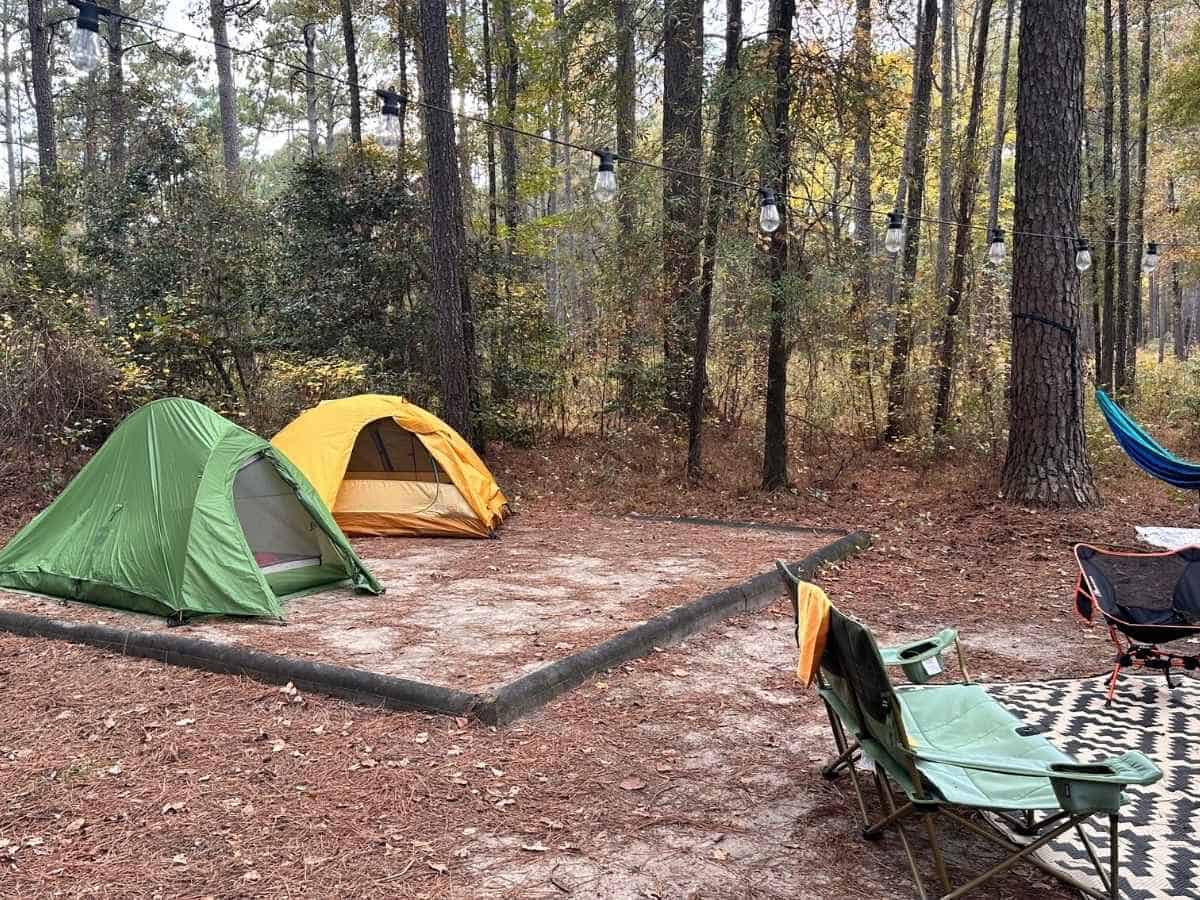
Camping was a highlight for me since a majority of the parks activities are located near Longleaf Campgrounds it was incredibly easy to explore without needing a car to get around.
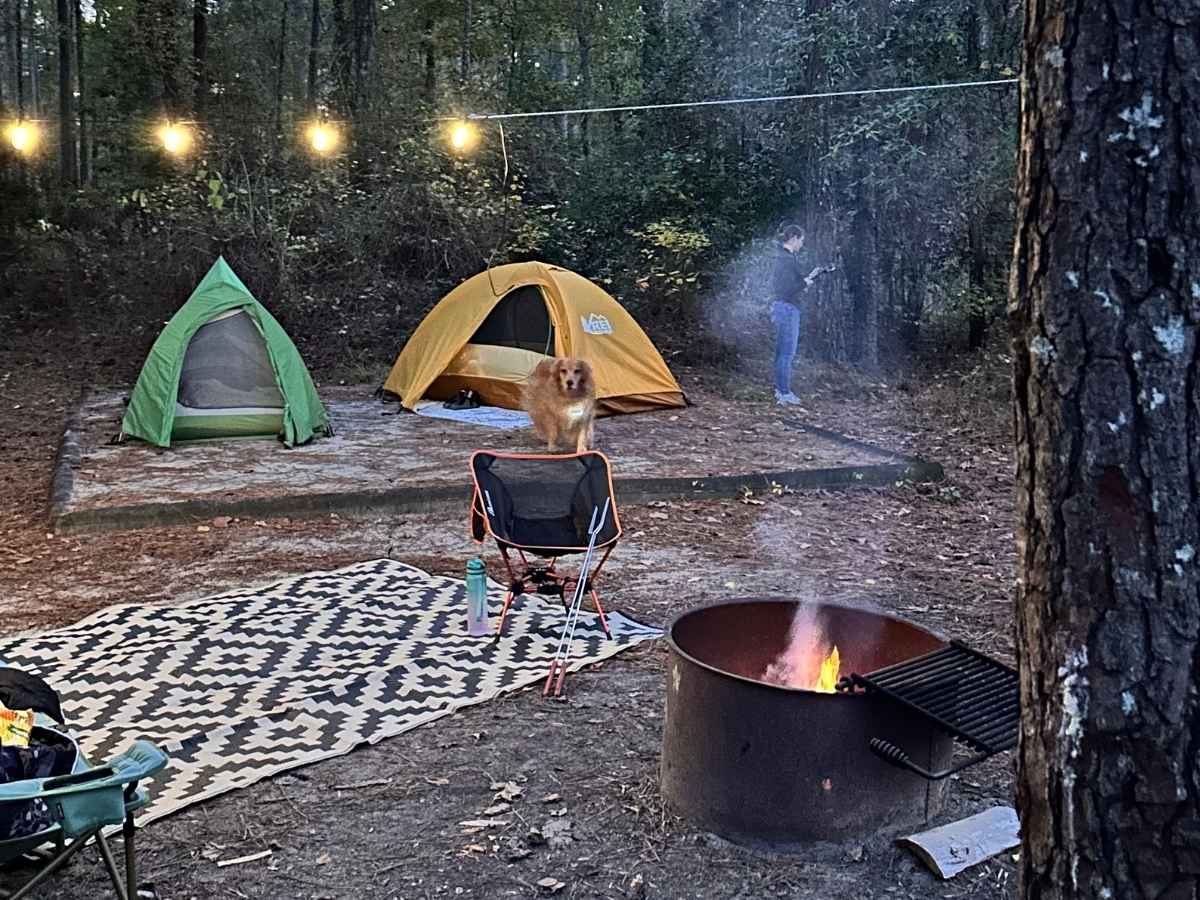
Plus, by visiting in early November we had some truly perfect weather conditions. Warm enough during the day, while still being cool enough to enjoy a campfire and sleep well at night.
There are two campgrounds in Congaree National Park; Longleaf and Bluff. Both campgrounds are tent-only and they don’t offer any hookups.
Longleaf Campground is just past the main entrance and within walking distance to the visitors center. It’s technically a walk-in campground, but the walk is very short — especially if you book campsites 1-4, which are within 100 feet of the parking area.
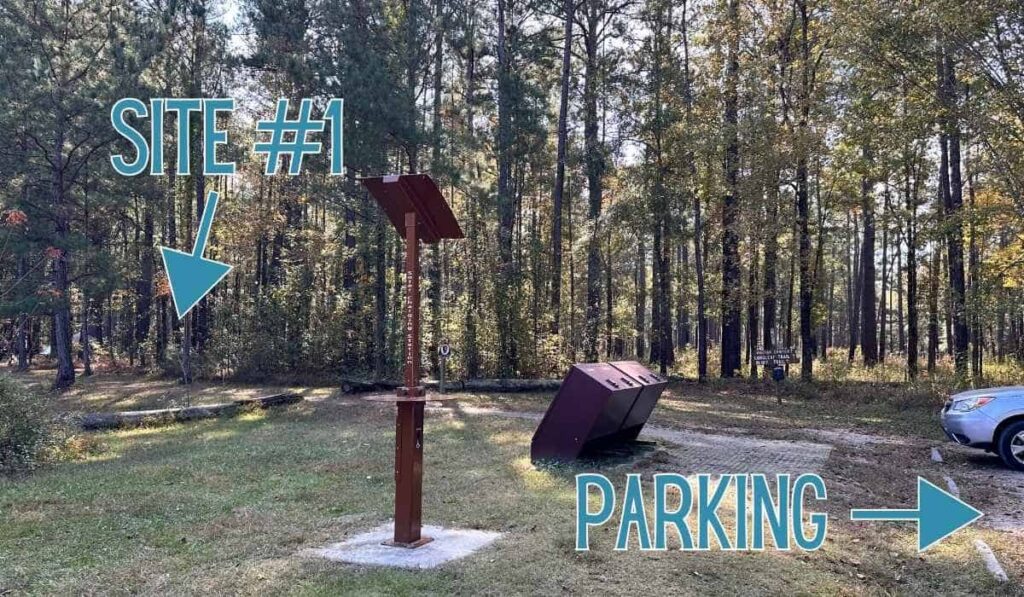
We stayed in campsite 1 so hauling gear in and out was very convenient. It also meant we were very close to the pit toilets, which are next to the parking lot. The downside was that our campsite wasn’t very private and people were walking past constantly.
TIP: If you’re a frequent bathroom visitor, the lower campsite numbers are ideal. If you’d like more privacy I recommend campsites 10-12.
➝ Book Longleaf Campsites Here
Bluff Campground requires a 1-mile hike to get to. They also have picnic tables and fire rings, like Longleaf, but no toilets. There are fewer campsites, but they’re typically more readily available so it’s a good backup option for when Longleaf is booked up.
NOTE: There is no running water available at either campground.
Tips For Your Visit To Congaree National Park
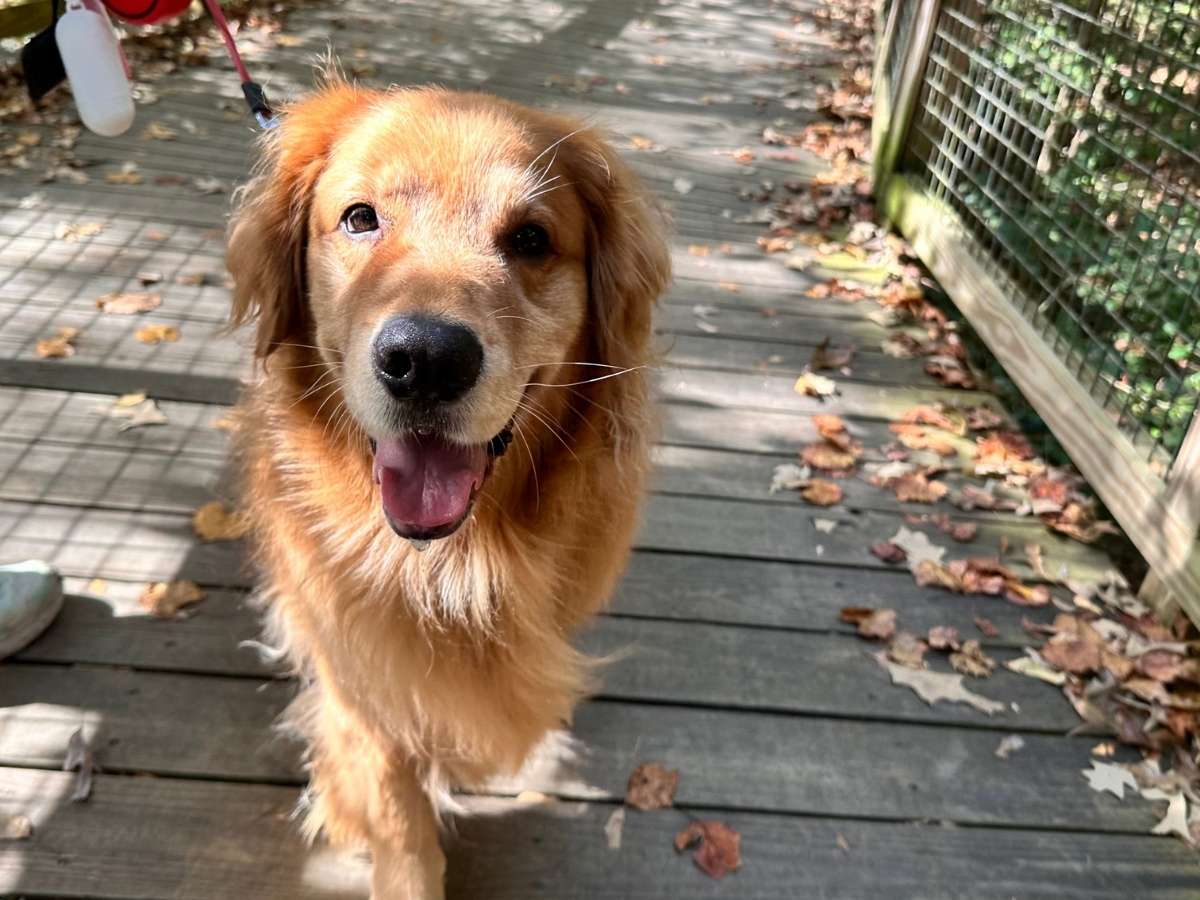
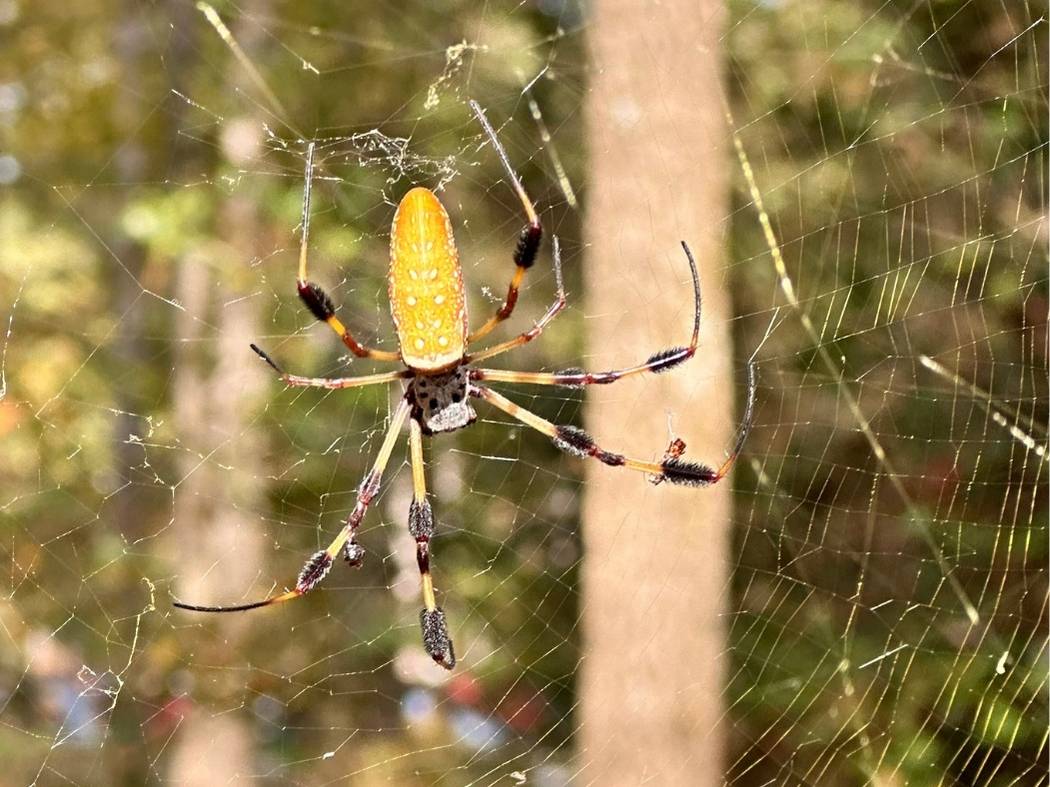
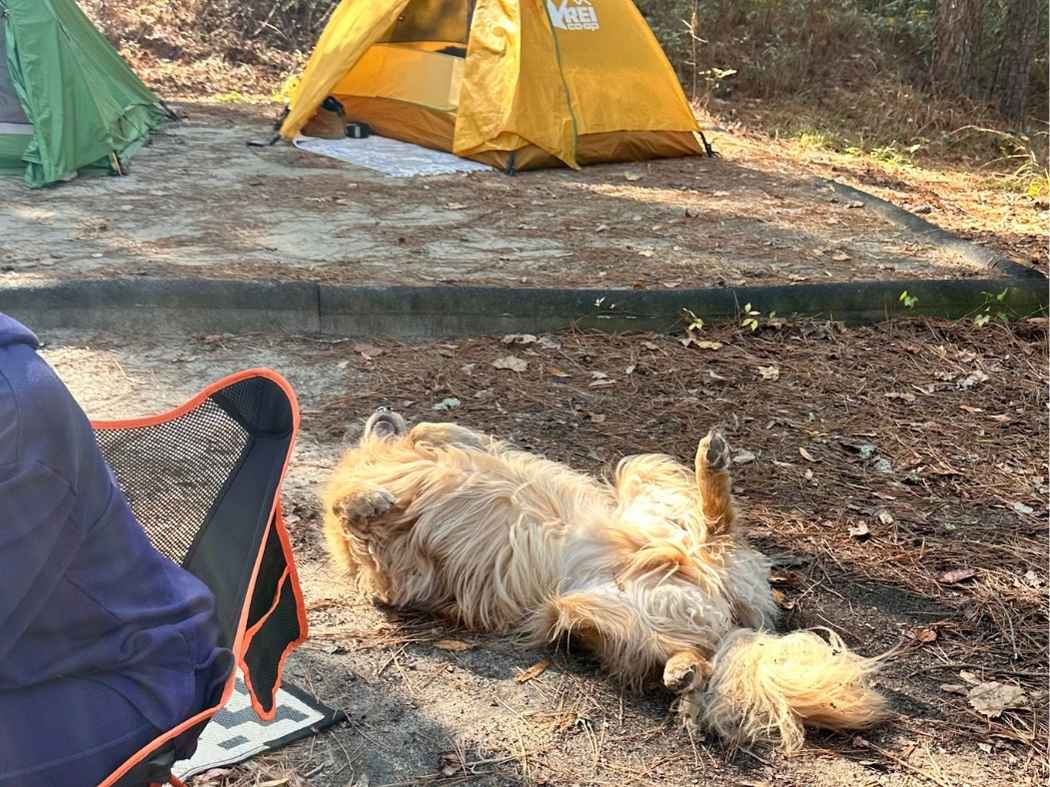
In addition to mosquitos, Congaree National Park has quite a few ticks. In fact, Congaree has the most ticks I have ever seen in all of my travels. I kept pulling them off of my golden retriever, who (despite my best efforts) prefers to roll around in the dirt.
The most effective way to prevent ticks is with a DEET based bug repellent. Normally, I avoid DEET products, but in this case I think the risk from a tick bite outweighs occasional use of DEET.
I recommend Ben’s Tick & Insect Repellent – it’s 100% DEET and comes in a small spray pump (not am aerosol) so it’s good for airplane travel.
Because Congaree National Park is located in a floodplain, it’s not uncommon for some or all of the trails to flood. While flooding is most likely in late winter and spring, it still occurs year-round. Check current conditions before your trip so you know what to expect!
Things To Remember To Pack
Congaree Is The Most Pet Friendly National park
Of all the National Parks I’ve visited, Congaree is the most pet friendly! Dogs are allowed everywhere in the park (except buildings) which was refreshing compared to most parks which designate only a few trails for pets, if any.
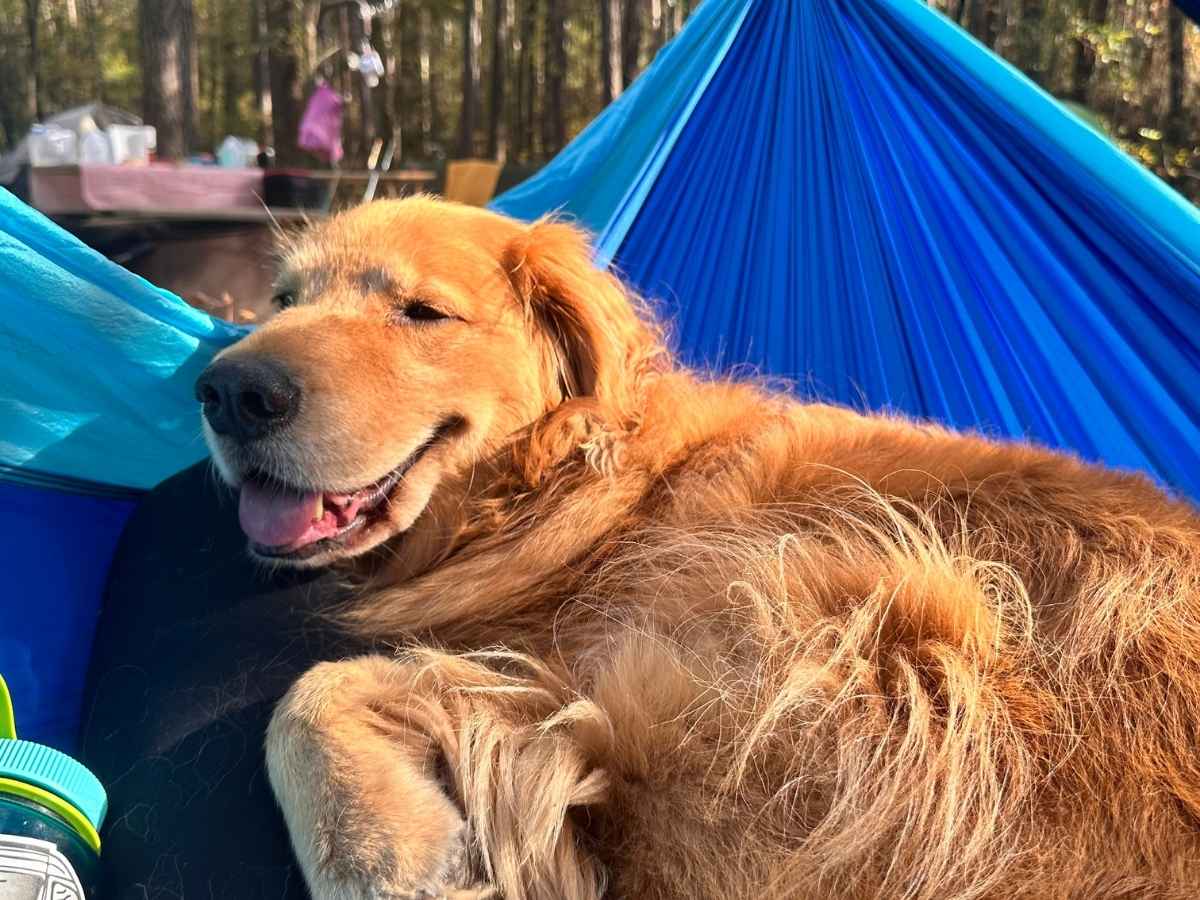
Of course, there are still rules. Pets must remain on a leash no longer than 6-ft and be under control at all times. You have to pick up after them, etc.
I understand and appreciate why most parks cannot allow pets on backcountry trails with fragile wildlife and ecosystems, but I’ll always be excited for the opportunity to share the outdoors with my golden retriever who is a big fan of time outside.